The Ban on Bridge Courses – A Turning Point in Nepal’s Education System
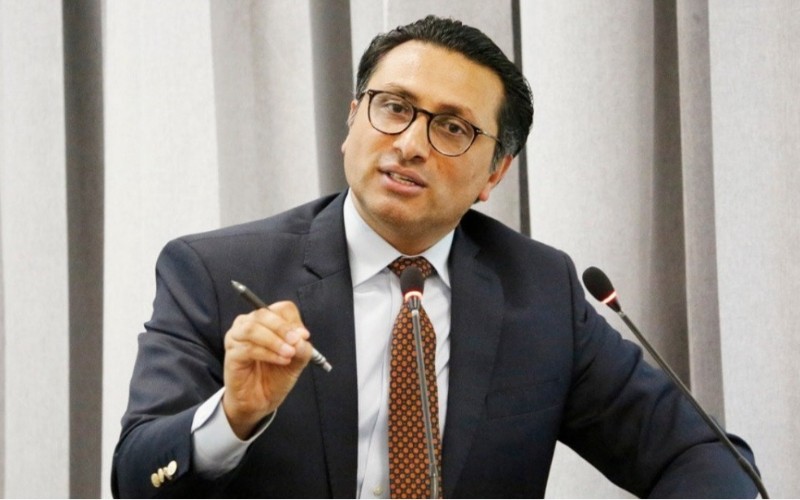
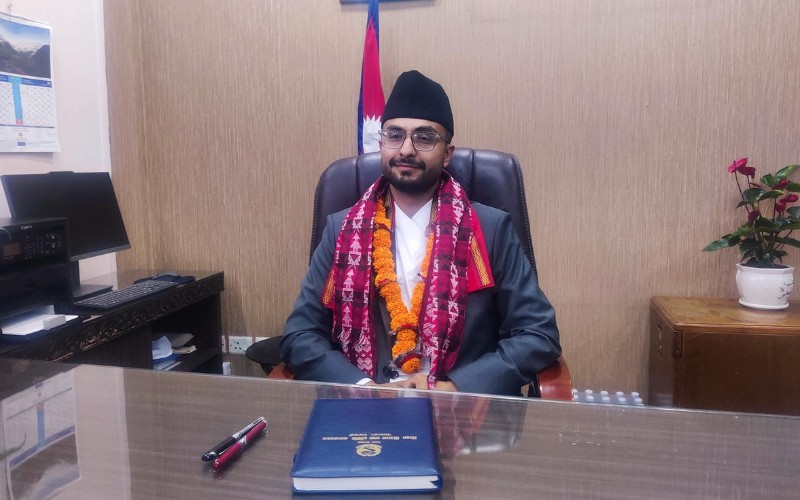
he recent decision by Sasmit Pokharel, the current Minister of Education, Science and Technology, to ban bridge courses has sparked widespread discussion across Nepal’s academic landscape. This move represents not merely a policy adjustment, but a potential shift in the direction of the country’s education system.
For years, bridge courses have functioned as preparatory programs for students transitioning from the SEE (Secondary Education Examination) to higher secondary education. However, over time, many of these programs became highly commercialized, often placing financial and psychological pressure on students and their families.
While the immediate effects of this decision may pose challenges for both institutions and students accustomed to this system, the long-term implications could be significantly positive. By eliminating such programs, the government aims to promote a more equitable and less pressure-driven academic environment.
Ultimately, this reform should be viewed not only as a restriction but as an opportunity, one that encourages stakeholders to rethink priorities and place greater emphasis on foundational learning within formal schooling.