Degree Crisis
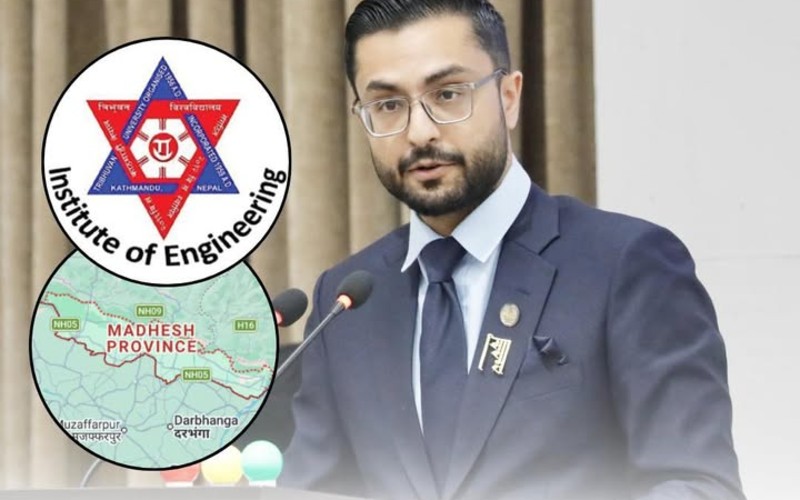
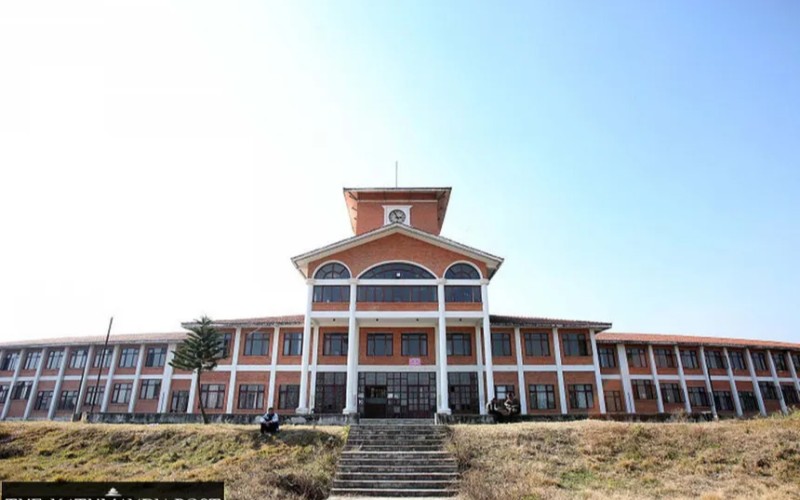
Tribhuvan University has given a 35-day ultimatum to 98 Nepali students who studied at Sangai International University in India to submit documents proving the validity of their degrees. The move comes after India’s University Grants Commission removed the university from its official list on May 15, 2024, declaring degrees issued by it invalid for higher education and government jobs. Based on an investigation report, TU’s Curriculum Development Centre has begun the process of reviewing equivalency certificates already issued to these students, most of whom hold undergraduate and postgraduate degrees.
If the students fail to provide valid proof within the deadline, their equivalency certificates will be cancelled under Regulation 21 of the University Degree Recognition and Equivalency Guidelines 2082. TU has already published details of the 98 individuals under investigation. However, officials clarified that degrees completed before the university was blacklisted may still remain valid if proper certification is provided. A committee formed under TU, led by Assistant Dean Binod Kumar Bhattarai, submitted its report recommending action if validity cannot be proven. Meanwhile, further investigation is also underway for PhD holders from the same university, which may include individuals currently working as professors in Nepal.
The impact could be severe, as cancellation of degrees may lead to job losses, especially for those employed in technical and engineering roles across government and local levels. Authorities have warned that many such individuals are already working in infrastructure-related sectors, raising concerns about regulatory oversight. TU has urged students and parents to carefully verify the recognition status of foreign universities before pursuing studies abroad, highlighting risks associated with studying without proper No Objection Certificate (NOC), particularly in neighboring India due to the open border.