Can Nepal’s Education System Finally Change?
Nepal has long struggled with an education system that often feels outdated, exam-centered, and disconnected from practical skills required in today’s world. From concerns over curriculum relevance to the growing dependence on private institutions and coaching centers, students and parents alike have repeatedly raised questions about whether meaningful reform is truly possible.
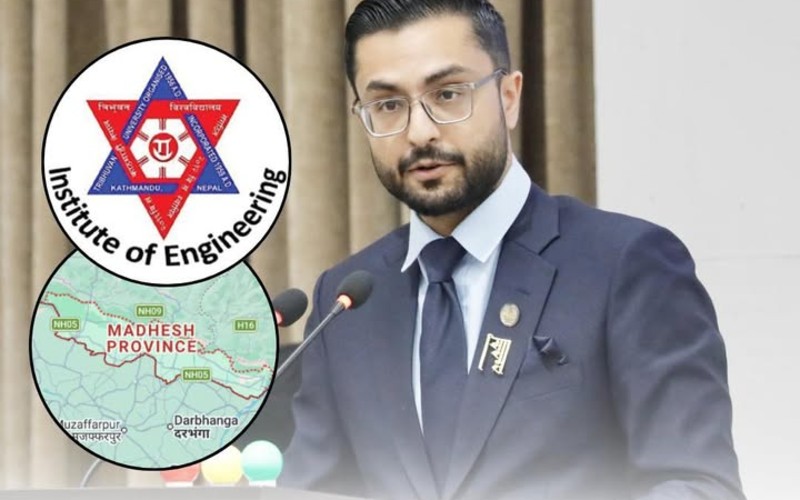
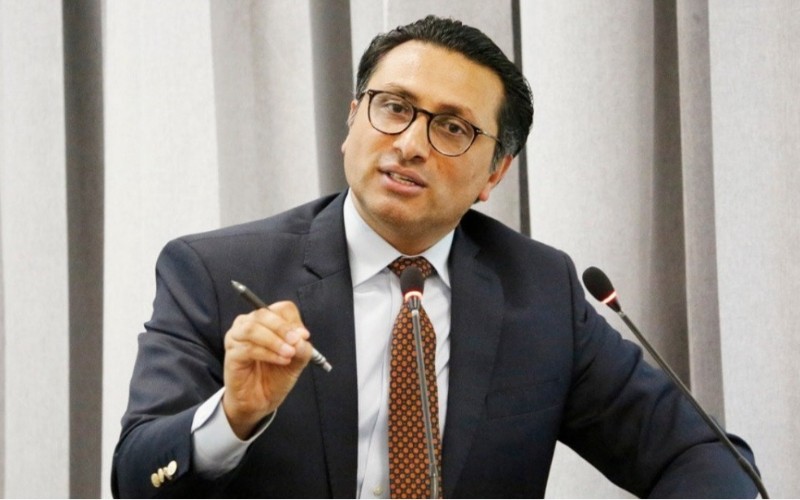
With the appointment of Hon'ble Sasmit Pokharel as Nepal’s new Education Minister, public expectations have noticeably increased. As a relatively young political figure with prior involvement in education-related reforms and governance, his leadership has sparked discussions around modernization, policy restructuring, and long-term institutional improvement. Reports indicate that Minister Pokharel has been engaging in discussions focused on quality education, innovation, technology integration, and youth-centered educational policies.
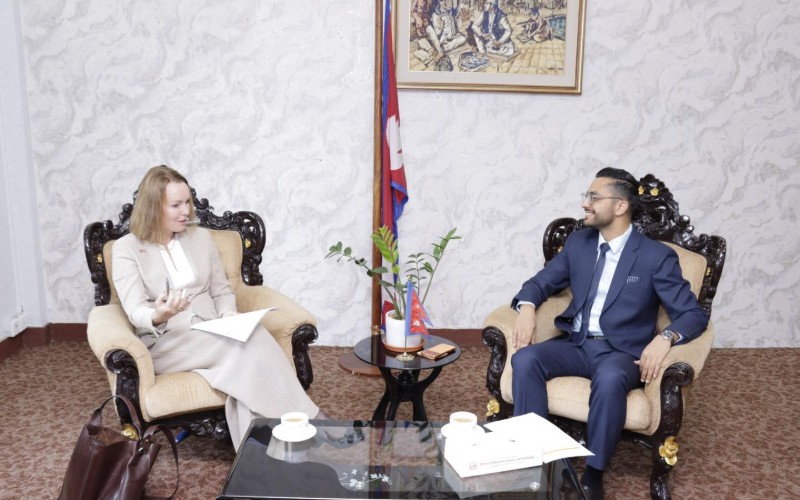
One positive sign is the growing emphasis on studying international education models and maintaining dialogue with global stakeholders. Learning from countries with stronger public education systems could help Nepal address recurring issues such as outdated teaching methodologies, weak research culture, limited digital infrastructure, and the gap between academic knowledge and employability. However, international meetings and policy discussions alone are not enough to transform a deeply rooted system.
The real challenge lies in implementation. Nepal’s education sector has historically suffered not from a lack of ideas, but from inconsistent execution, policy reversals, bureaucratic delays, and political interference. Structural issues such as teacher accountability, curriculum reform, public school quality, entrance competition pressure, and unequal urban-rural educational access require not just announcements, but sustained and practical reforms over time.
Many students are therefore asking a valid question: Will this actually lead to change, or will it become another cycle of ambitious promises? The answer remains uncertain. Genuine transformation in Nepal’s education system will depend on whether the ministry can move beyond short-term symbolic decisions and focus instead on building a more skill-based, accessible, and future-oriented education framework.
For now, there is cautious optimism. Nepal has reached a stage where educational reform is no longer optional—it is essential. If this momentum is supported by strong policies, transparent implementation, and long-term vision, the country may finally witness the beginning of meaningful change in its education landscape.